
Valley Beekeeping Supplies

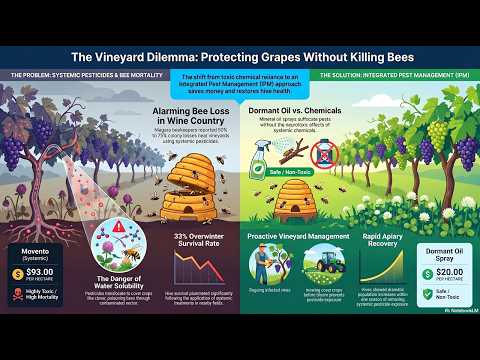
Protecting Bees in Vineyards

This text examines the tense intersection of agricultural pest management and pollinator health within Ontario’s grape-growing regions. It highlights how the transition to water-soluble systemic pesticides like Movento has triggered devastating honey bee mortality rates, specifically when these chemicals contaminate flowering cover crops. Through the lens of a collaborative partnership between a beekeeper and a vineyard owner, the source contrasts…
Breck Demers
June 1, 2026
Valley Beekeeping Supplies

Varroa Resistance Crisis Apivar Failing Canadian Beekeepers!

New assessments show amitraz treatments like Apivar, a long-time backbone of varroa control, are showing signs of failure in Canadian provinces. Relying on old chemical habits risks catastrophic colony losses. Understand the history of regional chemical use and modern apiary management to make informed choices about treatments that actually work. #beekeeping #varroamites #pestcontrol #apiary #colonymanagement #beekeepers #honeybees #valleybeekeeping http://www.valleybeekeeping.com
Breck Demers
May 31, 2026
Valley Beekeeping Supplies

Ontario Beekeeping Antibiotic Regulation Guide

Recent legislative changes in Ontario have shifted antibiotic access for beekeepers, requiring them to establish formal Veterinarian-Client-Patient Relationships to combat American foulbrood. This transition necessitates that apiarists register their colonies and develop biosecurity protocols to secure necessary prescriptions. To facilitate this shift, specialized training initiatives are being introduced to educate veterinarians on bee biology and industry-specific management practices. These educational…
Breck Demers
May 30, 2026
Pollen Stress | Beekeeping Academy | Ep. 95 UFhoneybeelab

Pollen Stress | Beekeeping Academy | Ep. 95

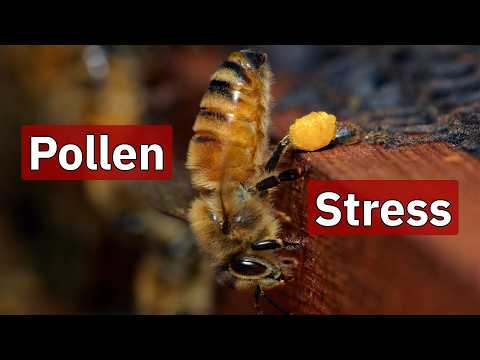
Honey bees need pollen. They collect it and use it to grow their colonies. Colonies that experience pollen stress exhibit several signs of declining health or stagnant growth. Dr. Ellis discusses how to recognize pollen deficiencies in your hives. Links: 📲 Follow us on Instagram, Facebook and X @UFHoneyBeeLab 🎧 Listen to “Two Bees in a Podcast” on any podcasting…
Alexa Mantifel
May 30, 2026
Valley Beekeeping Supplies

Creamed Honey Unlock Higher Profits!

Transform your liquid honey into a superior, spreadable product that commands a premium price. Learn how simple techniques and basic tools can significantly boost your revenue. Your next harvest could be your most profitable yet. #BeekeepingBusiness #HoneyProduction #FoodEntrepreneur #ArtisanHoney #SmallFarmProfits #honeybees #valleybeekeeping http://www.valleybeekeeping.com
Breck Demers
May 29, 2026
Valley Beekeeping Supplies

Honey Bee Winter Entrance Strategies

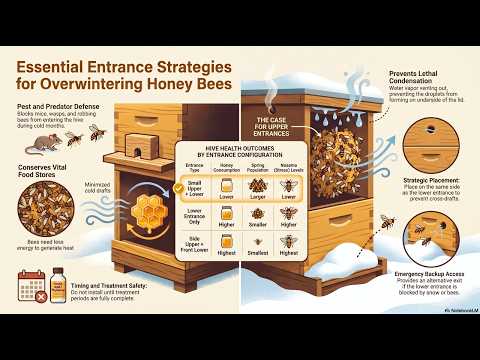
This text explores the critical role of entrance management in ensuring honey bee colonies survive the winter months. Implementing entrance reducers protects hives by preventing invasions from rodents and predatory insects while simultaneously minimizing cold drafts that deplete food stores. Although the necessity of an upper entrance is debated, it provides essential ventilation to stop moisture from condensing and dripping…
Breck Demers
May 28, 2026
Valley Beekeeping Supplies

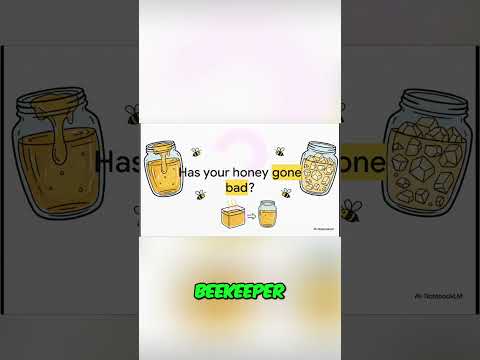
DIY Honey Warming Cabinet Save Your Solid Harvest!

That solid, rock-hard honey on your shelf isn't spoiled – it's crystallized! We're busting the myth and showing you how to build an affordable DIY warming cabinet to make your harvest flow again. Learn the ideal temperature, compare clever designs, and get the blueprint for your own setup. #honey #beekeeping #DIY #foodpreservation #homesteading #honeybees #valleybeekeeping http://www.valleybeekeeping.com
Breck Demers
May 27, 2026
Valley Beekeeping Supplies

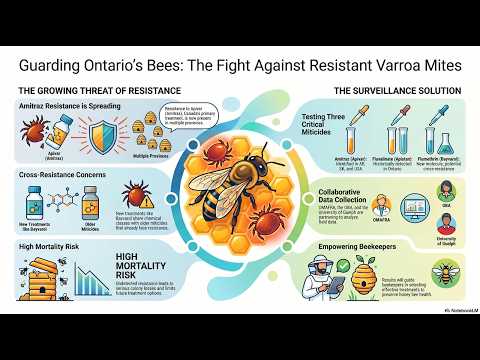
Fighting Resistant Bee Parasites

The provided text details a collaborative surveillance project funded by the Ontario Animal Health Network to investigate miticide resistance in local varroa mite populations. A team of experts is specifically testing the effectiveness of Apistan, Bayvarol, and Apivar, as these chemical treatments are vital for maintaining honey bee health. Identifying resistant strains is critical because it helps beekeepers avoid colony…
Breck Demers
May 26, 2026
Valley Beekeeping Supplies

Beekeeping Don’t Let Varroa Mites Destroy Your Hive!

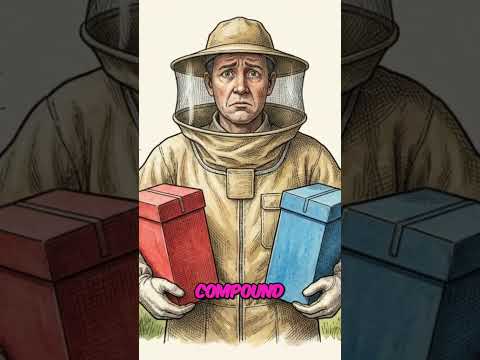
The worst for a beekeeper? Letting Varroa mites spiral out of control and not knowing. What if your treatment fails or a robbing spree reinfests your hive? You need a backup plan. Acknowledge the failure, prepare a secondary compound, and apply it immediately. Active management is key to saving your colony. #Beekeeping #VarroaMites #HiveHealth #Apiculture #BeeManagement #honeybees #valleybeekeeping http://www.valleybeekeeping.com
Breck Demers
May 25, 2026